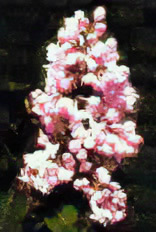
Lilacs (Syringa species and hybrids) are long-lived, spring-flowering shrubs in the olive family. Their clusters may be white, pink, purple, blue-toned, or pale yellow, and fragrance varies by cultivar.
- Choose a plant hardy in your local zone and allow its labelled mature height and width. Lilacs range from compact shrubs to small trees.
- Give it at least six hours of direct sun. Shade reduces flowering and can favour powdery mildew.
- Plant in moist but well-drained soil. Test before changing pH or adding fertilizer; high-nitrogen lawn fertilizer can produce leaves at the expense of flowers.
- Water a new shrub consistently while it establishes, but do not leave its roots in pooled water.
- Spread 2 to 3 inches (5 to 8 cm) of mulch over the root zone, leaving space around the stems.
- Be patient: a newly planted lilac may need two or three years before it flowers well.
Many lilacs send up suckers. They can renew an aging plant or become a new shrub if properly separated, but suckers below a graft may belong to a different rootstock. Check the plant label before propagating.
Lilacs form next year's flower buds soon after this year's bloom. Do necessary pruning promptly after flowering so those buds are not accidentally removed.