Layering lets a flexible stem develop roots while it still receives water and energy from the parent. It works for some—but not all—shrubs, including many forsythias, hydrangeas, viburnums, and lilacs.
Ask permission before working on someone else's shrub. An adult should identify the plant, check that it is healthy and not invasive, and handle any knife or pruner.
- In spring or autumn, choose a healthy young shoot near the outside that bends to the soil without cracking.
- Mark where it touches. Remove leaves from the short section that will be buried.
- An adult may make a shallow wound through a leaf bud on the underside. Rooting hormone is optional; follow its label if used.
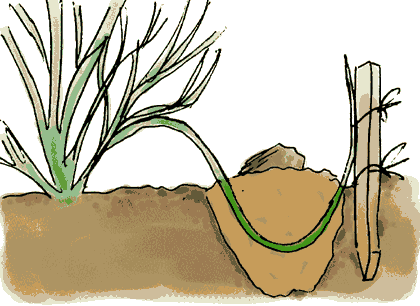
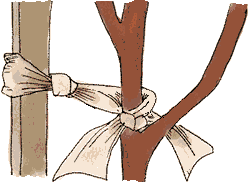
- Loosen a shallow pocket of soil, bend the wounded section into it, and peg it down. Leave the leafy tip above ground and stake it upright if helpful.
- Cover the buried section with soil, water it, and add light mulch without hiding the marker.
Keep the layer evenly moist during dry weather. Rooting may take months or more than one growing season, so do not use height or a fixed date as proof. Gently test for resistance or uncover a small edge to look for a strong root system.
Only when roots can support the new plant should an adult cut the connection on the parent side. Pot the layer or move it to a prepared site, water it through its first season, and label its name and origin. Never distribute a patented cultivar or regulated invasive plant without checking the rules.