A weed is a plant growing where it is not wanted. Some shelter insects or protect bare soil; others compete strongly, spread disease, irritate skin, poison people or pets, or invade natural areas. Identification decides what to do next.
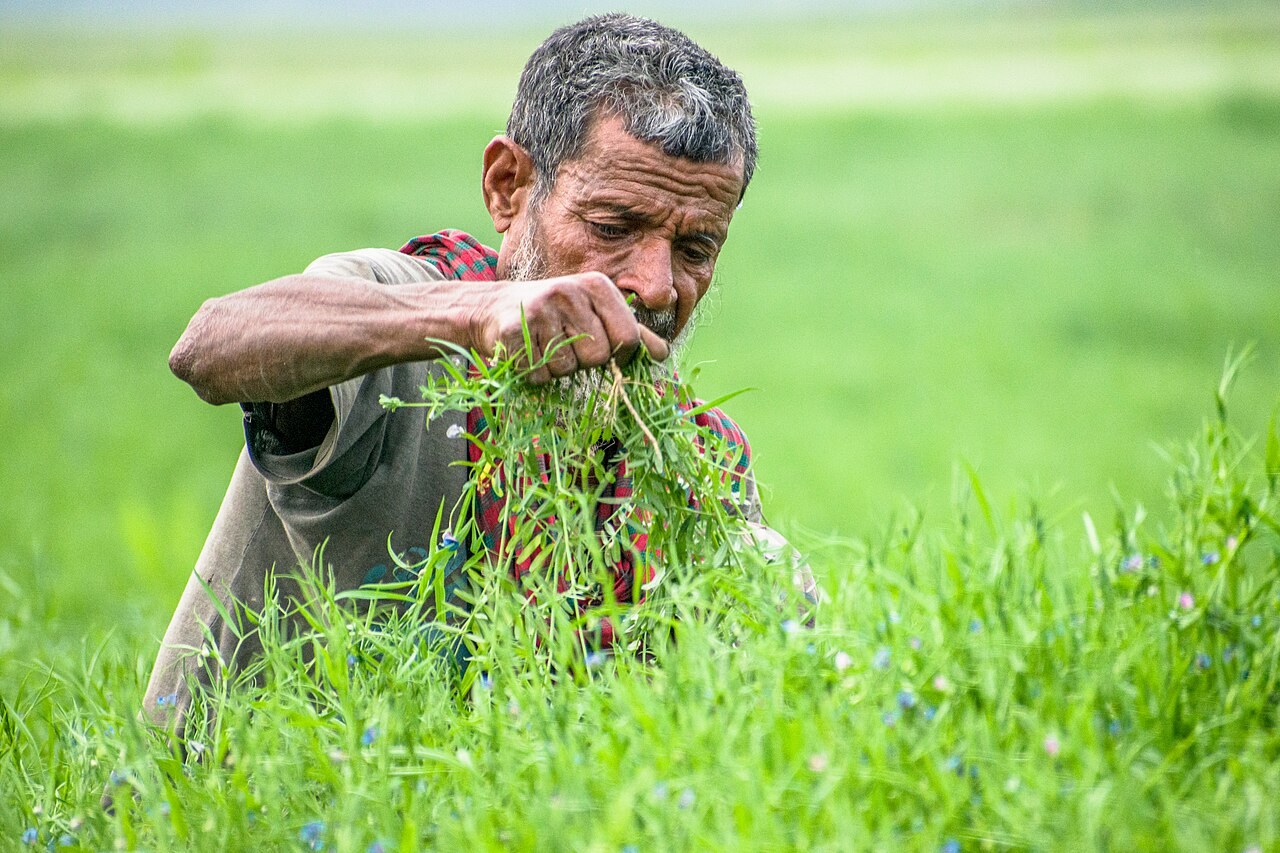
- Pull or hoe small weeds before they flower and set seed. After rain, roots often lift more easily.
- Wear gloves and closed shoes. Ask an adult to identify any plant with milky sap, thorns, berries, or an unfamiliar leaf.
- Never burn poison ivy, wild parsnip, or an unknown plant. Smoke or sap can cause serious injury.
- Do not use a mower or string trimmer on a plant whose sap may become airborne.
- Cover bare soil with a suitable mulch so fewer new seeds germinate.
- Put young, non-seeding, non-diseased weeds in a well-managed compost. Bag or dispose of mature seed heads, persistent roots, diseased plants, and regulated invasive species as local guidance directs.
Do not taste a plant because someone calls it an “edible weed,” and do not make garden remedies or dyes from unidentified material. Some harmless plants have dangerous lookalikes; pokeweed berries, for example, are not a child's dye project.
Observe before acting. A tiny seedling may be a weed—or the flower you planted and forgot to label.