Composting lets naturally occurring microorganisms turn garden waste and selected kitchen scraps into a useful soil amendment. Finished compost helps sandy soil hold water and nutrients and helps heavy soil drain.
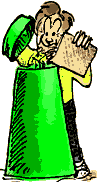
Choose a Place and Container
Ask an adult to check local composting rules and help choose a spot near where the compost will be used. Partial sun and shelter from drying wind work well. A bin or enclosure about 3 to 5 feet (0.9 to 1.5 m) wide helps a pile hold heat while still allowing air in.
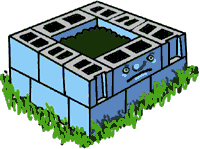
You can buy a composter or make a simple enclosure from wood, blocks, or sturdy wire mesh. An adult should build it and check for sharp wire, nails, splinters, or unstable blocks. The bin does not need to be buried.
Feed the Decomposers
Mix nitrogen-rich green materials with carbon-rich brown materials. Smaller pieces decompose faster.
- Greens include fruit and vegetable scraps, coffee grounds, fresh grass clippings, and faded flowers.
- Browns include dry leaves, small twigs, straw, and shredded black-and-white newspaper.
- Eggshells and tea bags can go in if the bags contain no plastic.
- Most leaves and plant scraps already carry the microorganisms they need. You do not have to add soil, fertilizer, manure, or a commercial starter.
- Do not add meat, fish, bones, grease, dairy products, whole eggs, pet feces, diseased or insect-infested plants, or weeds that have gone to seed. These can attract animals or spread pests and disease.
Air, Water, and Time
- Keep the pile about as damp as a wrung-out sponge: moist, but not dripping.
- If the pile smells rotten, mix in dry brown material and ask an adult to turn it so more air can enter.
- If it stays dry and unchanged, add water and more green material.
- An adult can turn the pile once or twice a month as its centre cools. Garden forks and hot compost can injure someone, so this is not a job for a child alone.
- A well-managed pile may finish in two to four warm months. An untended pile can take a year or longer. Weather, pile size, and materials all affect the time.
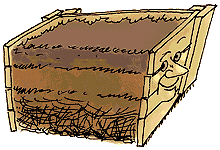
Compost is finished when it has cooled, looks dark and crumbly, smells pleasantly earthy, and most original materials are no longer recognizable. Do not use material that is still hot or foul-smelling around plants.
Fascinating Facts!
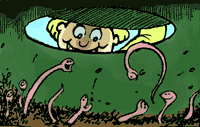
- A working pile contains a community of bacteria, fungi, and tiny animals that break complex material into simpler forms.
- A hot pile can release steam on a cool day even though nothing is burning.
- Finished compost is usually about half the height of the materials that went into the pile.
- Backyard composting keeps useful plant material close to home instead of sending it away as garbage.