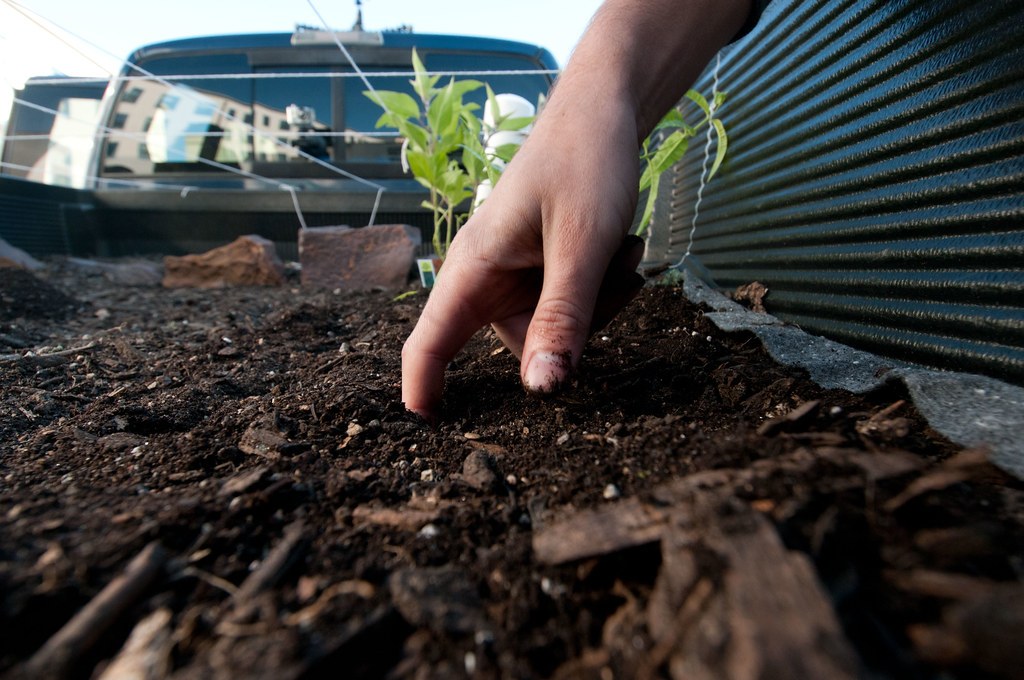
No single calendar date tells every seed when to grow. Combine several clues:
- Hardiness zone estimates whether a perennial can survive typical winter conditions. Canada's current map combines several climate factors and is not identical to the USDA minimum-temperature system.
- Last- and first-frost dates are historical probabilities, not promises. Check a current forecast before setting out tender plants.
- Soil temperature helps predict whether a seed will germinate or rot. Measure at the packet's planting depth with a soil thermometer at a consistent time for several days.
- Crop tolerance matters: peas and spinach accept cooler conditions than beans, cucumbers, or tomatoes.
- Days to maturity must fit between planting and autumn cold, with extra time for slow growth or transplant shock.
- A microclimate can be warmer, colder, wetter, windier, or shadier than the regional map.
A protected corner does not magically change the entire garden into the next hardiness zone, and one mild winter does not prove a tender shrub is reliable. Use zones to choose perennials; use frost, soil, and crop information to schedule annual seeds and transplants.
Write real planting, flowering, harvest, and frost dates in the Garden Journal. Your own records become a local guide—especially when paired with current forecasts.