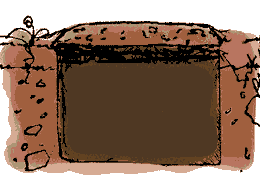
Trench composting buries organic material where it will decompose slowly without turning. It is not instant fertilizer, and the digging is an adult job.
- Ask an adult to check local compost rules, underground utility locations, drainage, and whether animals are likely to dig.
- Use a garden path or an unused part of a bed. Rotate locations so one place does not receive too much material.
- Dig a trench about 12 to 18 inches (30 to 45 cm) deep—not the old page's dangerous 2 to 3 feet.
- Add chopped healthy leaves, straw, and garden debris. Kitchen scraps attract rodents, so leave them out where that is a concern.
- Never bury meat, fish, bones, grease, dairy, pet feces, diseased plants, weeds with seed, or material with unknown herbicide residues.
- Cover everything with at least 8 inches (20 cm) of soil and mark the location.
- Wait about a year before planting directly there. Limited oxygen makes decomposition slow and can temporarily compete with plants for nitrogen.
A standard compost bin is easier to inspect and produces finished material that can be used wherever a soil test indicates. Trench composting is best treated as a small, carefully located alternative—not a deep moisture reservoir.