Arrangement “rules” are design tools, not laws. Start by noticing line, colour, texture, empty space, visual weight, and the shape of the container.
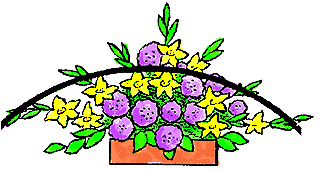
Arc
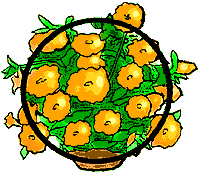
Circle
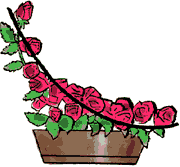
Curve
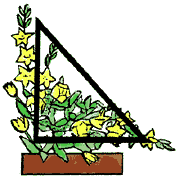
Right triangle
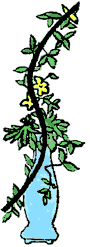
S curve
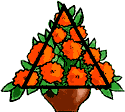
Triangle
Proportion
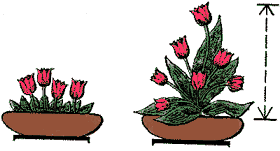
Proportion describes how the flowers, foliage, container, and surroundings relate in size. The old “one-and-a-half to two times the container” guideline can help with a first sketch, but a show schedule may specify something different and a deliberate miniature or low design can break it beautifully.
- Choose a stable, watertight container and a reusable support.
- Imagine the outer silhouette and decide which view the judge will see.
- Place the main line and focal material first.
- Add secondary stems while preserving useful empty space.
- Turn or view the work from judging height and remove anything that distracts.
Do not use single-use floral foam. A clean flower frog, pin holder, reusable grid, pebbles, or crossed woody stems can support flowers without crumbling plastic. An adult should handle sharp stems, pruners, wire, and heavy containers.
Balance
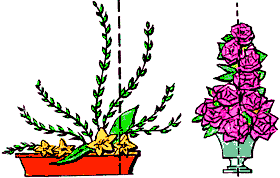
Symmetrical balance mirrors visual weight; asymmetrical balance uses unlike forms that still feel stable together. Visual balance cannot rescue a tippy container, so gently test the physical base before transport.
Keep stems hydrated, leave room for each interesting shape, and stop before every gap is filled. The garden already knows that space is part of a composition.