After the property owner approves the plan and an adult has arranged an official utility locate, wait until the soil is dry enough to work.

Squeeze a handful from digging depth, then press it gently with a finger. If it smears, glistens, or holds as a sticky lump, wait. If it breaks into crumbs, preparation is less likely to compact it. Sandy soil may fall apart even while quite wet, so also look for standing water and drainage.

Use a soil thermometer—not a hand eight inches down—to compare the bed with each crop's germination needs.
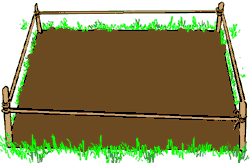
An adult should handle the shovel, fork, sod cutter, and metal rake:
- Mark bed edges and permanent paths from the plan.
- Remove turf with an appropriate method, or begin a future bed with sheet mulch.
- Loosen only compacted areas that need it. Existing loose garden soil does not need annual deep turning.
- Mix in only amendments supported by a soil test.
- Rake the seed bed level enough for even planting while preserving its natural structure.
Work from paths and never stand on freshly prepared growing soil. A bed does not have to be perfectly smooth or bare to grow plants well.