Drying lets you enjoy some flowers after a fresh arrangement would have faded. Strawflower, celosia, statice, globe amaranth, and many grasses air-dry well. Thin, fairly flat flowers such as pansies and daisies are good for pressing.
Use only plants an adult can identify. Some flowers and seed pods are poisonous or irritating even after drying. Decorative dried plants are not food.
Air-Drying Method
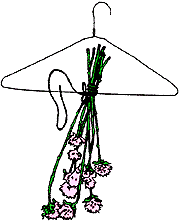
- Choose healthy flowers that are dry and near their best, usually just before they open fully.
- Remove unwanted leaves and inspect for insects.
- Gather only a few stems in each bunch so air can circulate. A rubber band keeps holding as stems shrink.
- Hang the bunches upside down in a warm, dark, dry place with good airflow and no direct sun.
- Check them without crushing the petals. Depending on the plant and humidity, drying often takes one to three weeks.
- Discard any material that smells musty or shows mold.
Pressing Method
- Place dry, thin flowers between plain absorbent paper. Keep flowers from overlapping.
- Put the paper between pieces of flat cardboard, then set a heavy book on top in a dry place.
- Check after two to three weeks. The flowers should feel completely dry before you use them in a card, picture, or journal.
The original activity microwaved flowers in kitty litter. We have retired that method: litter is not a predictable flower desiccant, the dish becomes hot, and microwave timing changes with the appliance and plant. Air drying and pressing are slower, but they make much better beginner projects.