Conditioning means helping freshly cut flowers take up water before they go into an arrangement. Always check the current show schedule first; it may have special rules for a class.
Harvest
- Choose known garden plants that are safe to handle. Some flowers are poisonous or have sap that irritates skin, so ask an adult to identify them and wear gloves when appropriate.
- Cut in the morning, when stems are usually full of water. If that is not possible, wait until the cool evening rather than cutting a heat-stressed plant in bright midday sun.
- Most flowers last well when cut just as they begin to show colour. Dahlias, roses, and some others need to be more open.
- Put every stem straight into a clean bucket of water.
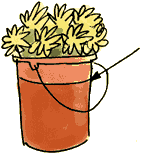
Prepare and Rest
- An adult should make a clean, angled cut with sharp snips or secateurs. Do not recut a stem underwater; that can contaminate the bucket.
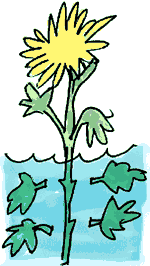
- Remove leaves that would sit below the waterline, where they would decay.
- Stand prepared stems in clean water in a cool place for at least two or three hours—overnight is even better.
- Keep the bucket away from food-preparation areas, pets, and very young children.
The old activity suggested candles, boiling water, and fine knitting needles. Those specialist treatments are unnecessary for a beginner's arrangement and add burn or puncture hazards. If a particular flower droops, first recut it, replace the water, and consult a reliable guide for that species with an adult.
For hollow stems such as delphiniums, an adult can look up species-specific conditioning. Do not experiment with an unidentified plant or put plant material in your mouth.
Once the flowers have drunk, place them in a clean container and reusable support. Check the water level each day, replace murky water, and remove fading blooms.