Thinning gives crowded seedlings the light, water, airflow, and root room listed on their packet. Wait until you can identify the crop confidently, then keep healthy, well-spaced plants rather than simply choosing the tallest.
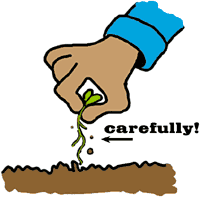
- Water dry soil first so remaining roots are less likely to tear.
- Use the packet's final spacing. It varies by crop and whether young plants will be harvested along the way.
- For carrots and other close-rooted crops, snip extras at soil level. Pulling can disturb the roots you intend to keep.
- Some leafy seedlings transplant well when very young; tap-rooted carrots, parsnips, dill, and similar plants usually do not.
- Compost healthy thinnings that have not been treated with an unsuitable product. Eat them only if a knowledgeable adult identifies the crop and confirms the species and treatment are food-safe.
Disbudding is a different technique: removing selected flower or fruit buds to direct growth into fewer specimens. It is useful for certain show forms, but not a general rule for higher yield. Learn the specific plant and show schedule before pinching.
A temporarily wilted transplant is not proof of an “air pocket.” Give shade from strong afternoon sun, settle soil with water, and avoid repeated digging that damages more roots.