Dry only a culinary herb that a knowledgeable adult has positively identified and that has not been sprayed with a product whose label forbids harvesting. Different dried herbs can look surprisingly alike, so keep each kind separate and labelled.
- Harvest most herbs just before their flowers open, in the morning after dew has evaporated.
- Rinse leaves gently under cool running water. Discard bruised, dirty, diseased, or insect-damaged pieces, then remove as much surface water as possible.
- Tie only four or five stems into each bunch so air can move between them.
- Hang the bunches in a warm, dark, dry, well-ventilated indoor place. A paper bag with ventilation holes can protect them from dust and catch seeds.
- Spread short-stemmed herbs in a single layer on a clean screen instead of making bunches.
- Drying may take 7 to 14 days or longer, depending on the herb and humidity. Leaves are ready when they are crisp and crumble easily.
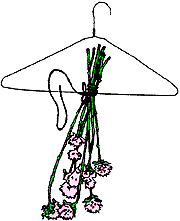
Air drying is the simplest method for this children's activity. Do not improvise microwave or oven times: models differ, herbs can scorch, and hot dishes can burn. An adult who uses a food dehydrator should follow its directions and the temperature guidance for that herb.
Remove dry leaves from stems, because stems can hold moisture longer. Store whole leaves in labelled, airtight containers in a cool, dark, dry place. Check for condensation or mold; discard a batch if either appears. Dried herbs are stronger than fresh ones, so a recipe generally needs only one-quarter to one-third as much.