Cutworm is the name for the caterpillar stage of several kinds of moth. Many are smooth, brown, gray, green, or black, and curl into a tight C when disturbed. They feed at night and hide in soil or plant debris during the day.
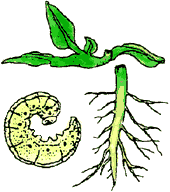
Look for clues
- Check seedlings in the morning for stems clipped near the soil or for sudden wilting.
- Look in the late afternoon or evening when cutworms become active.
- Gently roll over soil clumps and debris within about 1 foot (30 cm) of a damaged plant. Some species hide in a small hole nearby.
- Remember that slugs, earwigs, rabbits, wind, and stem disease can cause damage that looks similar. Find the culprit before choosing a control.
Protect the seedlings
- Remove cutworms by hand and drop them into soapy water.
- Clear weeds and excess plant residue that provide food and egg-laying sites.
- Before planting, an adult can cultivate soil where cutworms have been a repeated problem, exposing overwintered larvae.
- Put a cardboard or foil plant collar around a tender transplant, with part below and part above the soil.
Pesticides are usually unnecessary in a home garden. Cutworm injury is normally most serious early in the season while stems are small and tender.
Fascinating Facts!
- Adult cutworm moths do not cut plants; the caterpillars cause the damage.
- Some species stay at ground level, while variegated cutworms can climb plants to eat leaves, buds, and fruit.
- Cutworm numbers can vary greatly from year to year.
- Ground beetles, birds, and parasitic wasps are among their natural enemies.
- Cutworms do not sting and are not dangerous to touch, but it is still a good habit to wash your hands after handling soil or insects.